
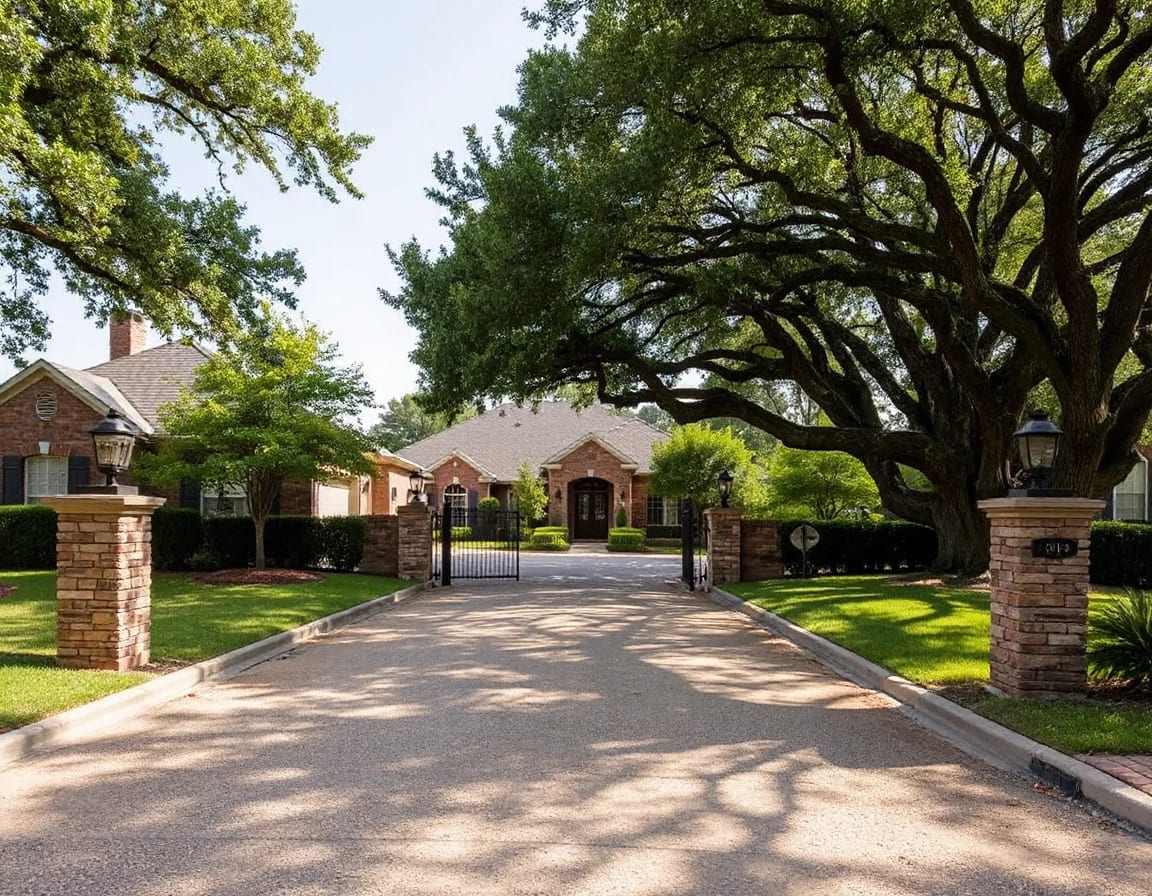

Fulshear’s outer edges can look straightforward on a map, but for a first-time buyer, the real story is in timing, infrastructure, builder incentives, tax rates, and daily-drive logistics. This guide breaks down how to read a fast-growing area with more confidence so you can compare new construction, resale options, and future development without getting overwhelmed. If you want a practical way to narrow choices and ask better questions before making an offer, this is your starting point.
Why the map matters more on the edge of growth
Buying in a fast-growing part of town is different from buying in an already built-out neighborhood. On the newer edges of Fulshear, what looks close on a map may feel very different once school routes, construction traffic, planned retail, toll access, drainage design, and lot orientation enter the picture. For a first-time buyer, that means the “best” home is often the one that fits both today’s routine and the area’s likely next phase of development.
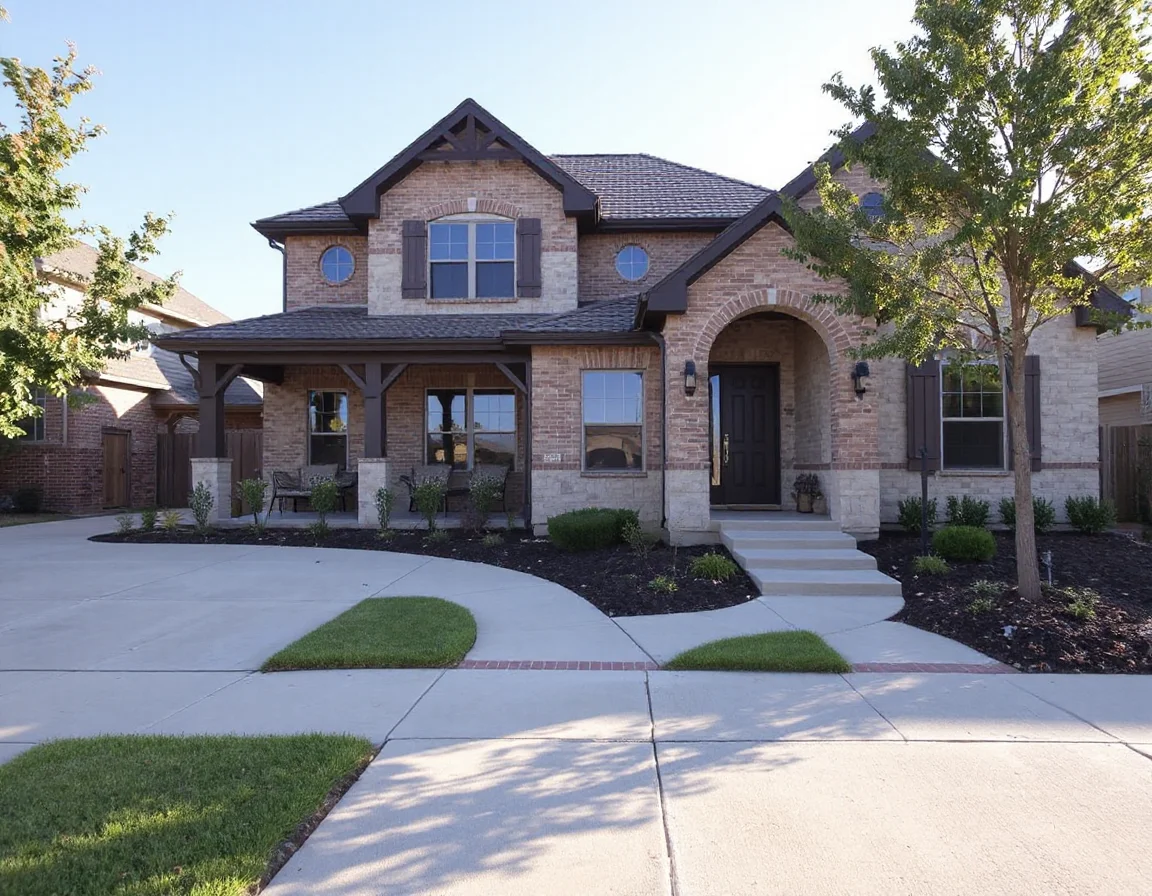
That is why a survival map should start with a few practical layers: commute patterns, floodplain and drainage information, MUD or other district taxes, builder reputation, and what is actually open now versus what is only planned. A model home can be polished and persuasive, but your day-to-day experience will depend just as much on road connections, nearby services, and the pace of nearby construction over the next several years.
Fulshear continues to attract attention because it offers access to expanding residential communities, newer housing inventory, and room for development compared with more established parts of Greater Houston. That growth can create opportunity, especially for buyers who want modern layouts and energy-efficient features. It also means pricing can move quickly and inventory can shift between resale homes and builder-controlled supply, so having a simple framework keeps you from chasing every new listing without a plan.
Build your first-time buyer checklist before touring
Start with monthly payment, not just price. In newer Texas communities, two homes with similar list prices can produce noticeably different monthly costs once property taxes, homeowners association dues, insurance, and lender fees are added in. If you are comparing resale and new construction, ask for side-by-side estimates so you can evaluate the real carrying cost instead of focusing only on the headline number.
Next, sort neighborhoods by how you actually live. Think in terms of objective routines: where you work, how often you need major grocery runs, how long you want to spend in the car, and whether you prefer a finished streetscape or are comfortable buying amid active development. This keeps the search centered on logistics rather than impulse. It also helps you spot tradeoffs early, such as choosing a larger lot farther out versus quicker access to established services.
Builder incentives deserve careful review too. Rate buydowns, closing cost assistance, appliance packages, and lot premiums can all affect the value equation. Some incentives are genuinely helpful; others can distract from a higher base price or less flexible contract terms. Buyers who compare the full contract package, warranty coverage, construction timeline, and upgrade pricing usually make cleaner decisions than buyers who focus on the sales office headline offer alone.
How to read roads, retail, and routine like a local
One of the smartest ways to evaluate Fulshear’s fast-growing edges is to drive the area at more than one time of day. Morning outbound traffic, afternoon return traffic, and weekend errand patterns can feel completely different. A route that seems easy at noon may become much slower when school dismissal, work commutes, and ongoing road work overlap.
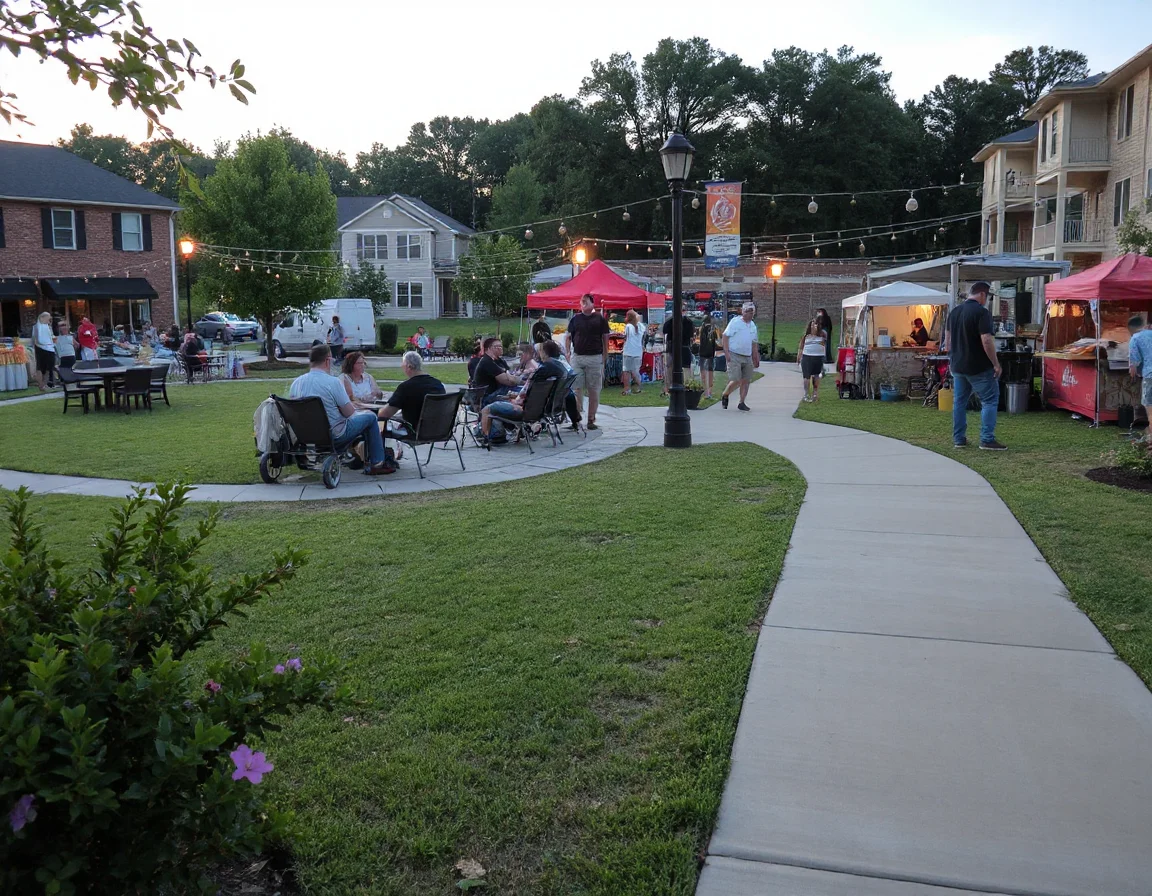
Pay attention to what supports everyday convenience. Trails, pocket parks, open green space, and community amenities can add a lot to a neighborhood’s appeal, but so can practical access to medical offices, fitness options, major retail corridors, and dining. On the edges of growth, there is often a gap between what is promised and what is currently operating, so it helps to ask: what can I use this month, and what may still be a year or two away?
School information is another key part of the map, but the most useful approach is factual and current. Review attendance boundaries, verify assigned campuses directly with the district, and ask whether rezoning discussions or future campus openings could affect the address you are considering. In rapidly expanding areas, these details can change over time, so current verification matters more than assumptions.
A local guide can also help you distinguish between communities that look similar online but behave differently in the market. Some sections move quickly because of lot size, builder brand, or a specific price band. Others may offer more negotiating room, especially when inventory increases or a builder wants to close out a phase. Julie Evans of Fathom Realty LLC brings long-term Texas experience dating back to 1995, and that kind of market perspective can be especially useful when comparing fast-changing suburban inventory across broader Metroplex and East Texas patterns.
New construction versus resale: the real first-time buyer tradeoff
On paper, new construction often looks easier: modern finishes, builder warranties, and fewer immediate maintenance surprises. Resale homes, however, may offer established landscaping, completed surroundings, and a clearer sense of how the neighborhood functions day to day. Neither option is automatically better. The smarter question is which one matches your budget tolerance, move timeline, and willingness to handle unknowns.
With a newly built home, inspect everything carefully and understand what is standard versus upgraded. Even in a brand-new property, independent inspections can reveal issues worth addressing before closing. With resale, review age and condition of major systems, recent improvements, and seller disclosures with equal discipline. First-time buyers sometimes assume the newer home is simpler and the older home is riskier, but each path comes with its own set of details to investigate.
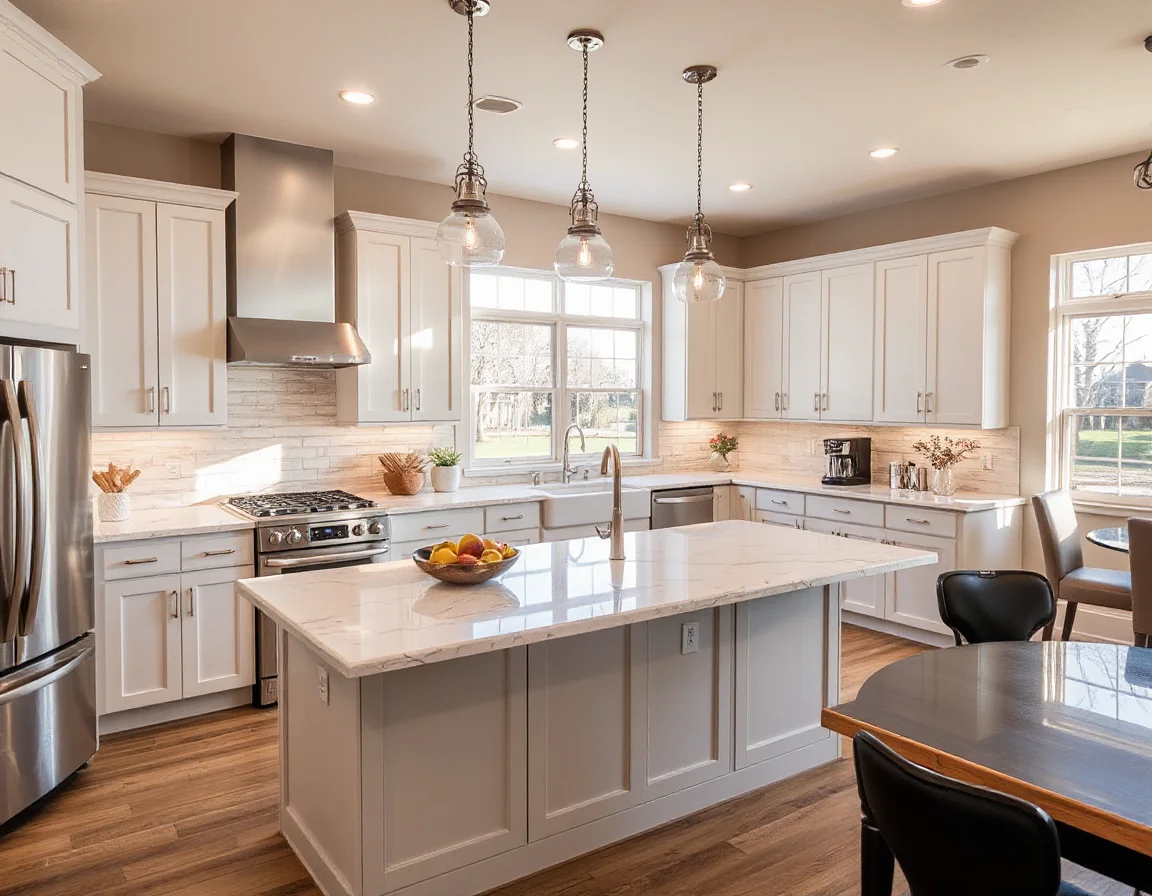
There is also the question of negotiation style. Builders may hold firm on base price but offer financing incentives or upgrade credits. Resale sellers may negotiate more directly on price, repairs, or closing dates depending on market conditions. A buyer representative with formal training in buyer representation and broader transaction experience can help organize those moving parts and keep the focus on total value instead of just surface appeal.
That matters even more when you are balancing emotion with numbers. The right kitchen, a flexible office nook, a larger backyard, or a shorter commute can each be worth paying for, but only if you understand the long-term monthly impact. A useful survival map is not about eliminating enthusiasm. It is about making sure enthusiasm is supported by solid comparisons.
A practical way to move forward without getting overwhelmed
The fastest route to clarity is to narrow your search to three or four target zones, then compare them using the same scorecard: monthly cost, commute realities, existing amenities, future development, tax structure, and home features that matter most to you. Once those categories are visible in one place, options that seemed confusing usually become much easier to rank.
In a place like Fulshear, where growth can reshape the edges quickly, first-time buyers do well when they slow the process down just enough to verify the fundamentals. Tour with questions. Read estimates line by line. Revisit the route. Check what is open now. Ask what fees apply. Confirm timelines instead of relying on renderings. Those simple habits can prevent expensive surprises.
If you approach the search with a clear map rather than a vague wish list, the fast-growing edge becomes far less intimidating. It becomes a set of measurable choices about lifestyle, budget, and timing. And once those choices are organized, finding the right home feels less like guesswork and more like a smart next step.